Loading

Mobile app · Coming soon
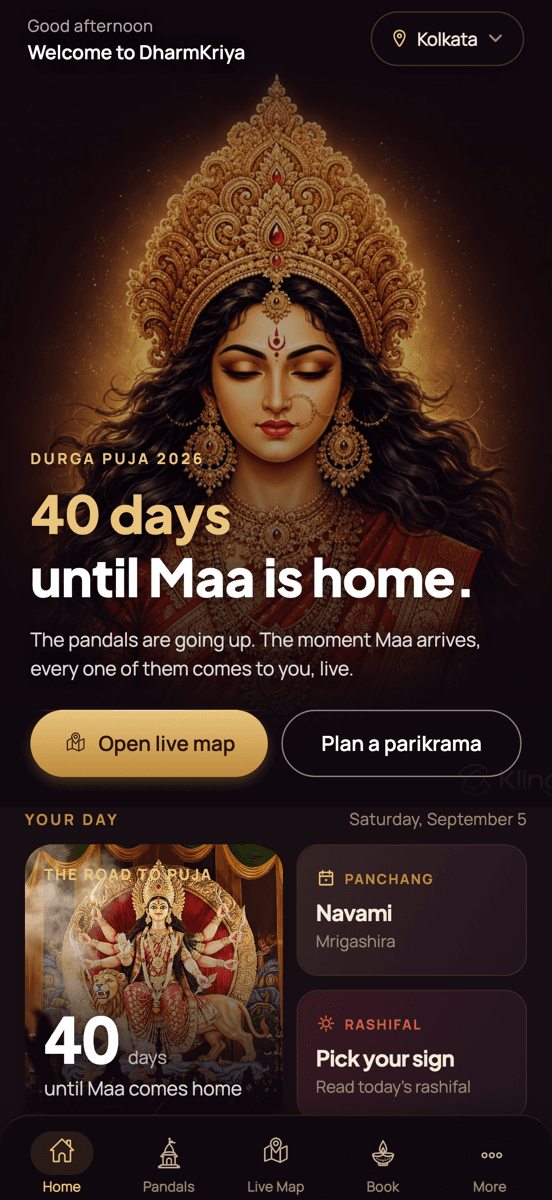
The DharmKriya app is on its way. Book a verified pandit, follow the panchang, read the aarti, watch a live darshan and find the pandals near you, all in your language on one screen.
Launching 26 September, on both stores.
Swipe for more screens
Home
Book a puja
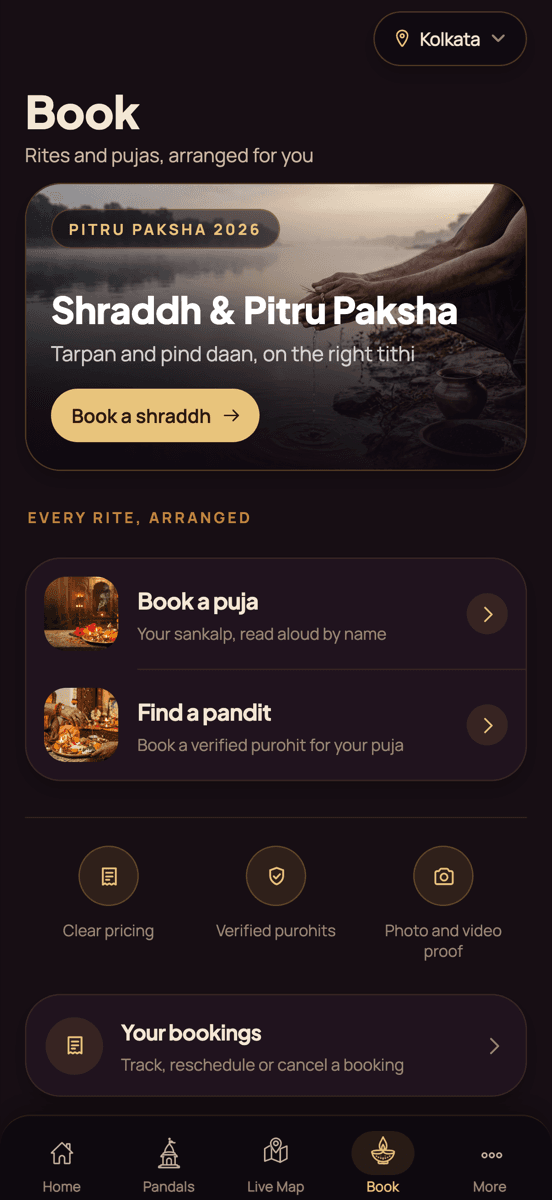
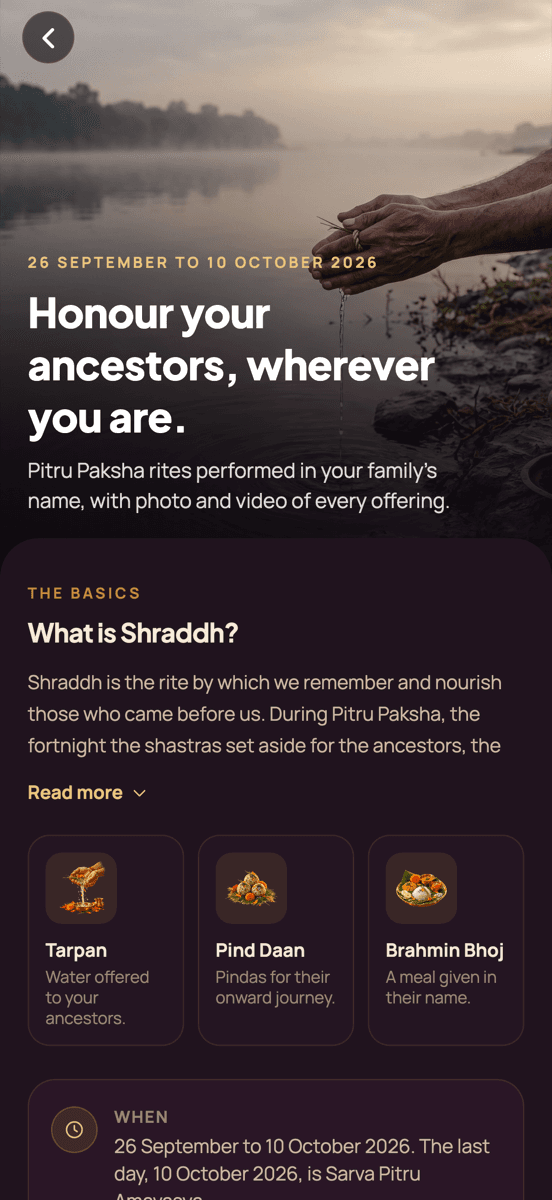
Shraddh
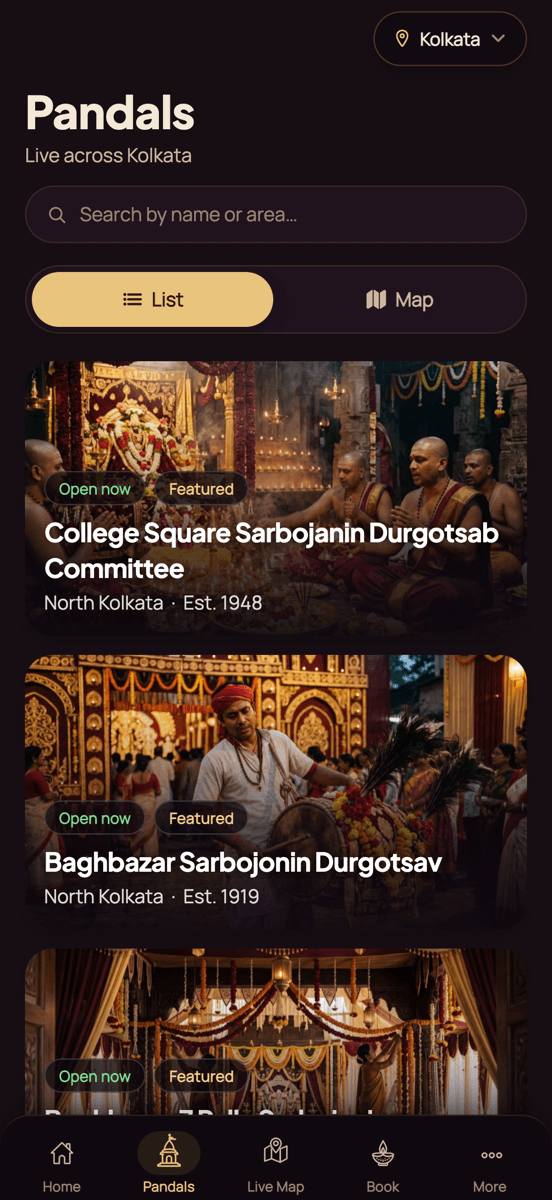
Live pandals
Shubham Astu
May all be auspicious
Kolkata · Route planner
ঠাকুর দেখা · পরিক্রমা
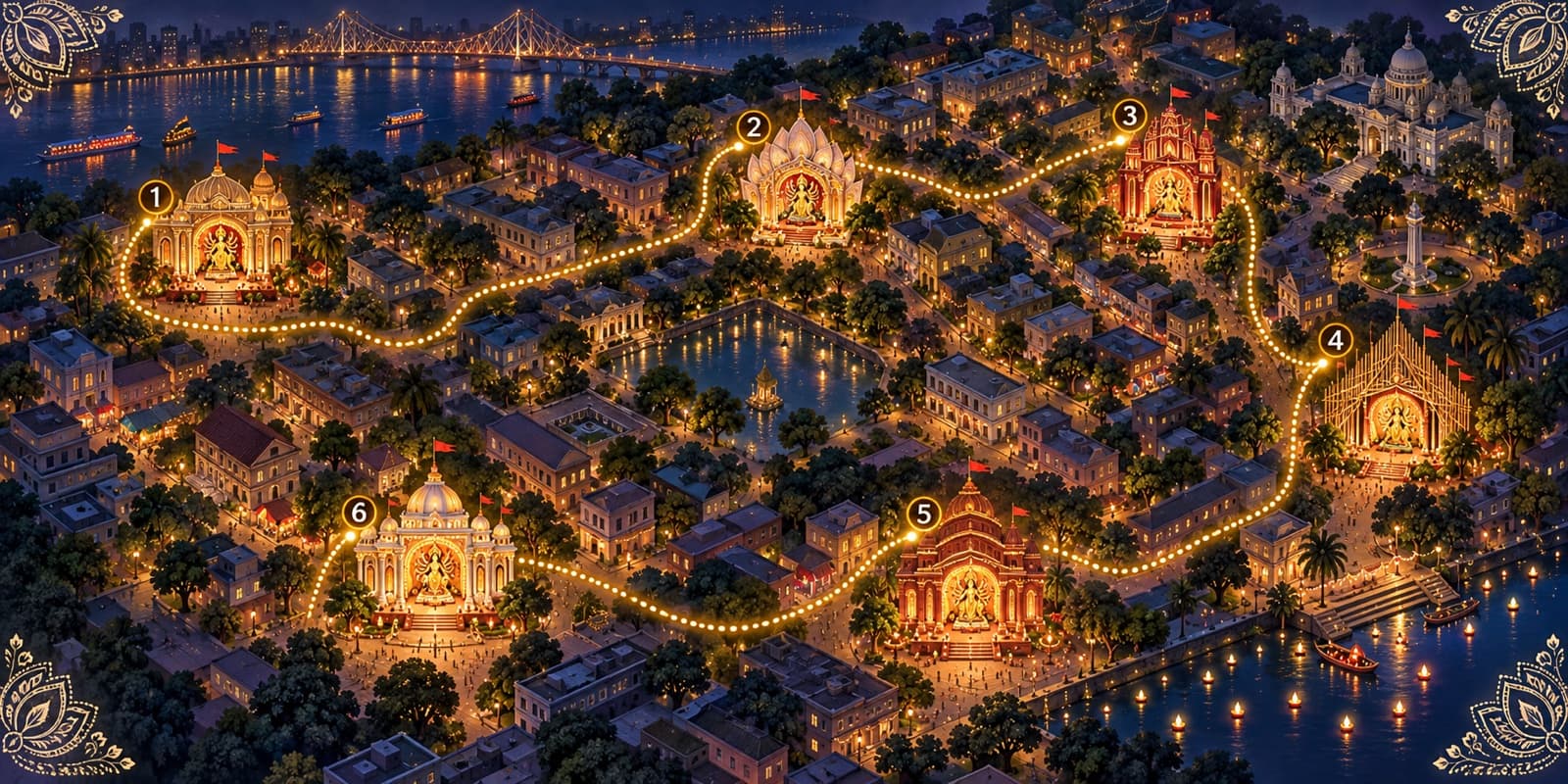
Ready-made Durga Puja circuits and a route you build yourself, drawn as one flowing walk with directions between every stop.
Plan your own
Build a parikrama that's yours
317 pandals mapped in Kolkata
Routes people actually walk, each built from real pandals and drawn on the map with walk, metro and car options. Open one, or make it your own.
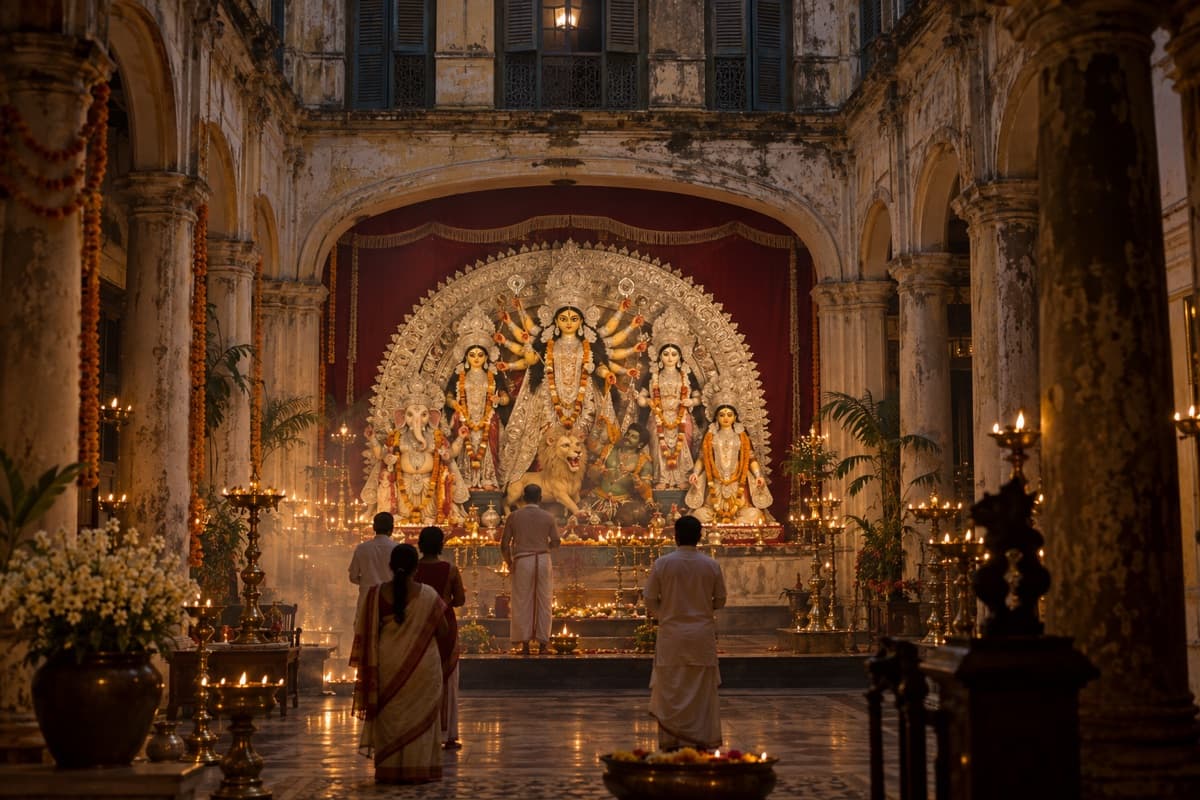
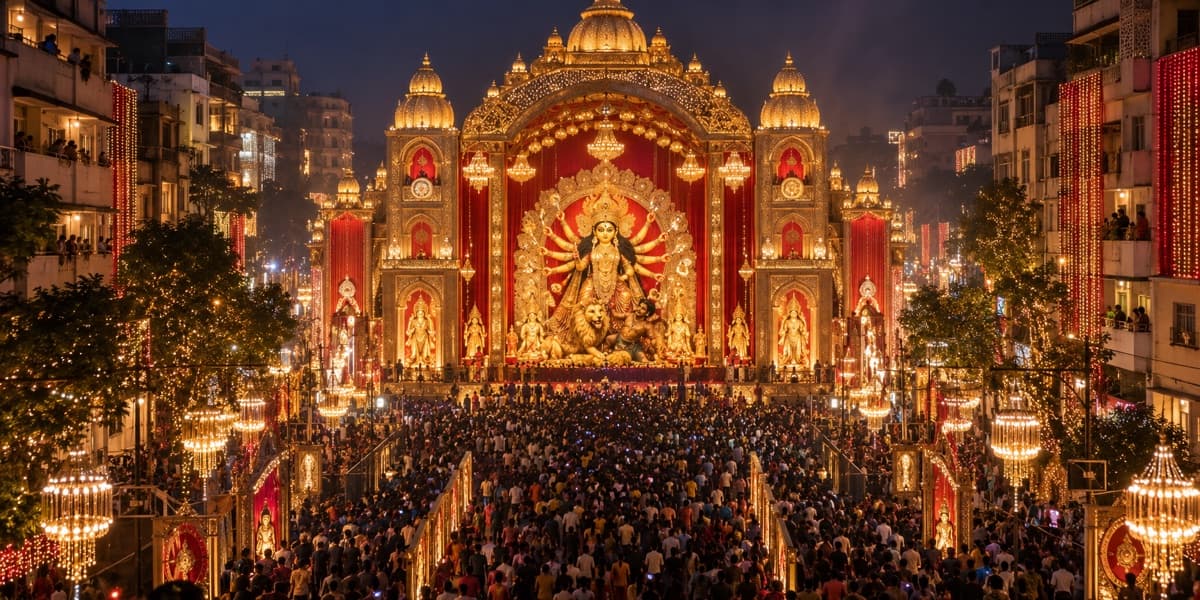
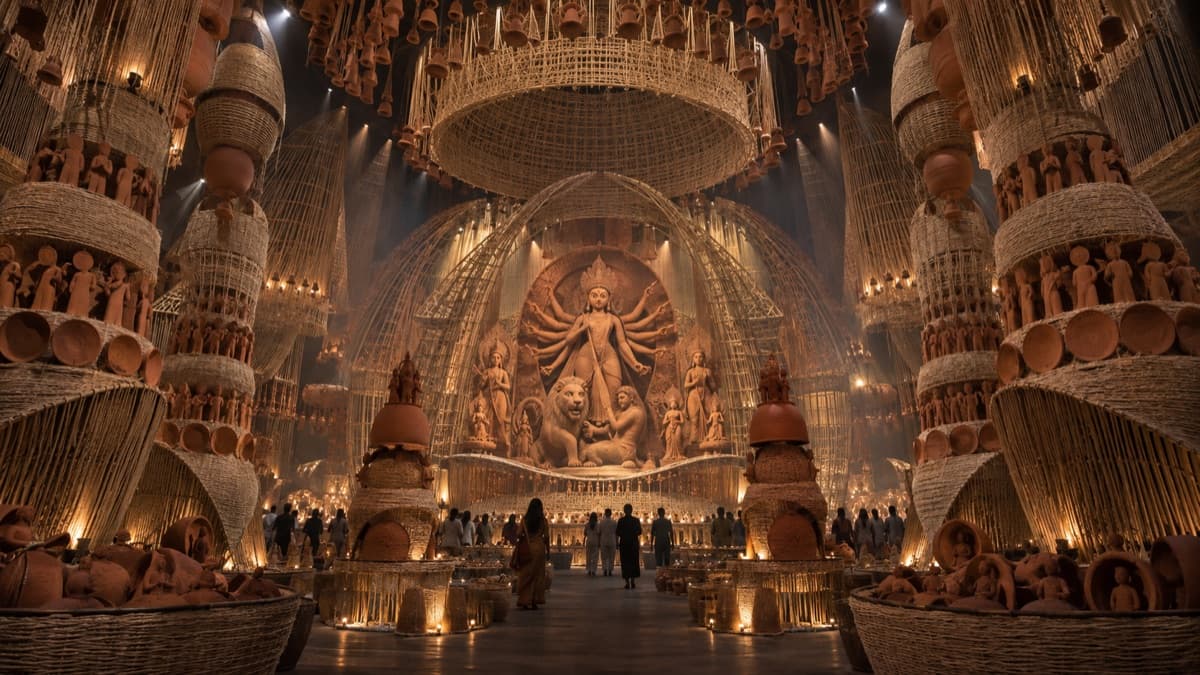
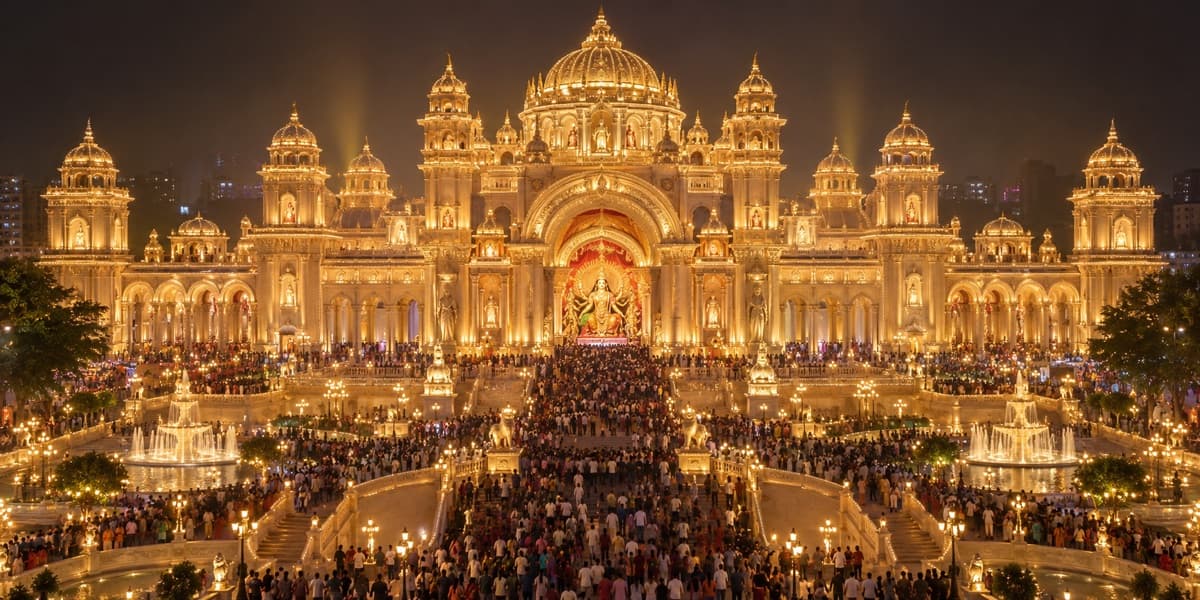
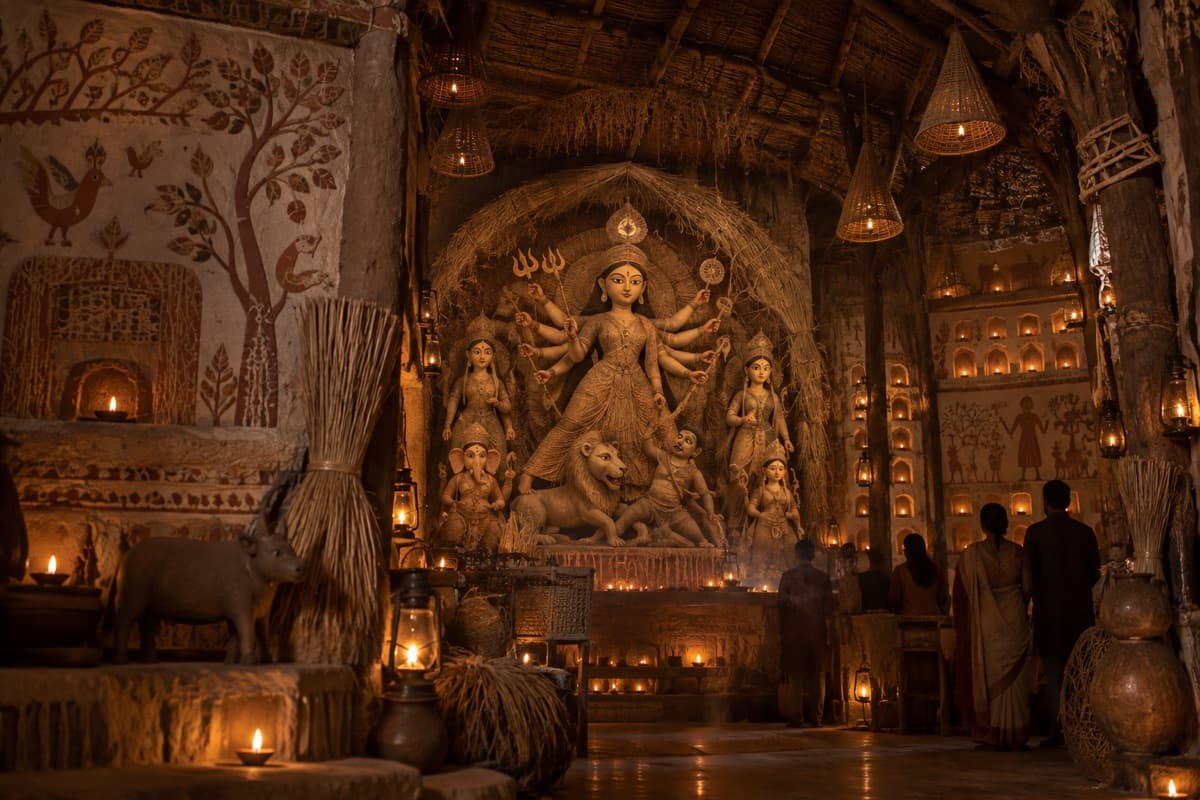
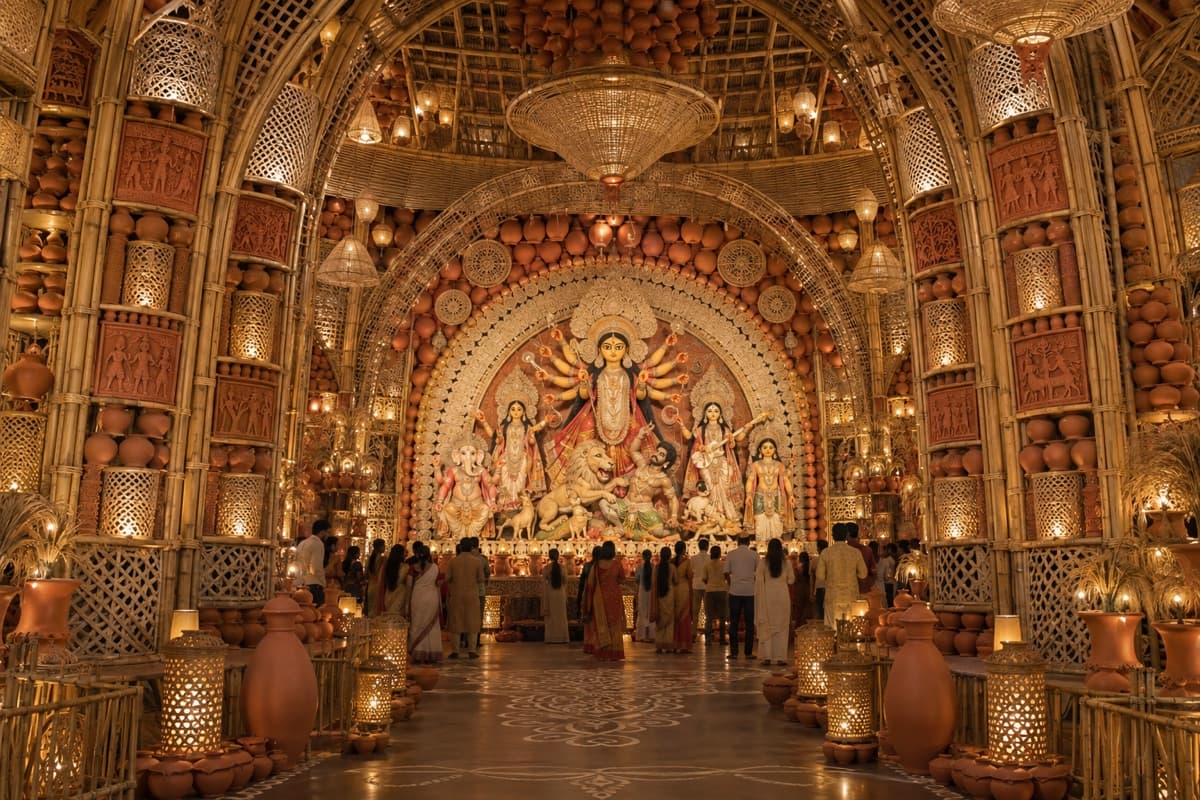
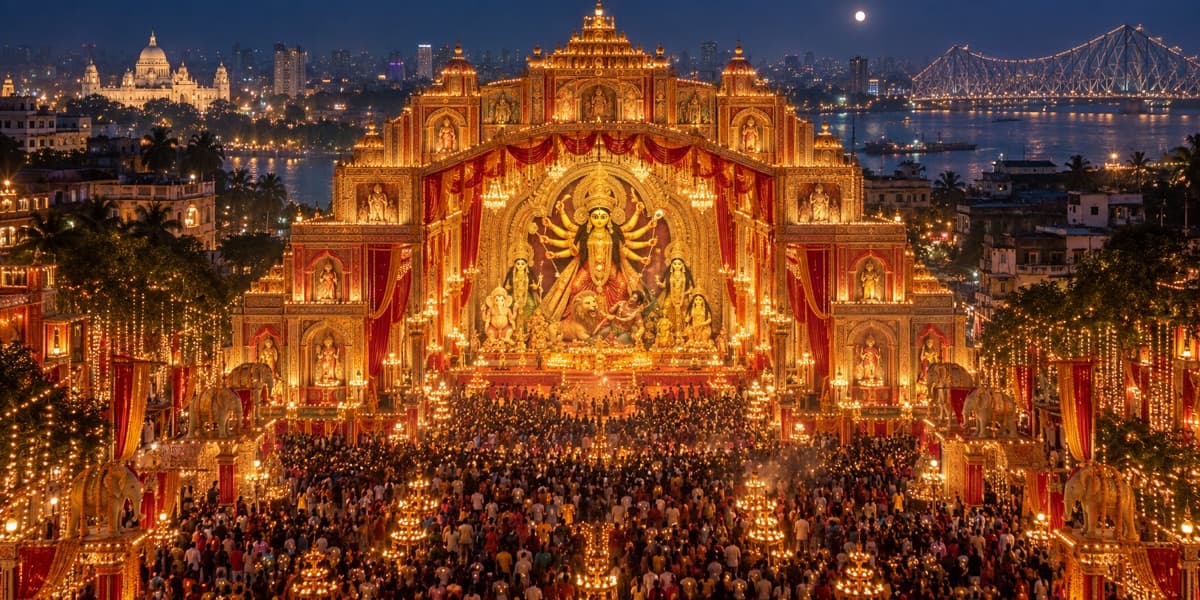
A glimpse of the city's best-loved pujas, the ones these circuits are drawn from.
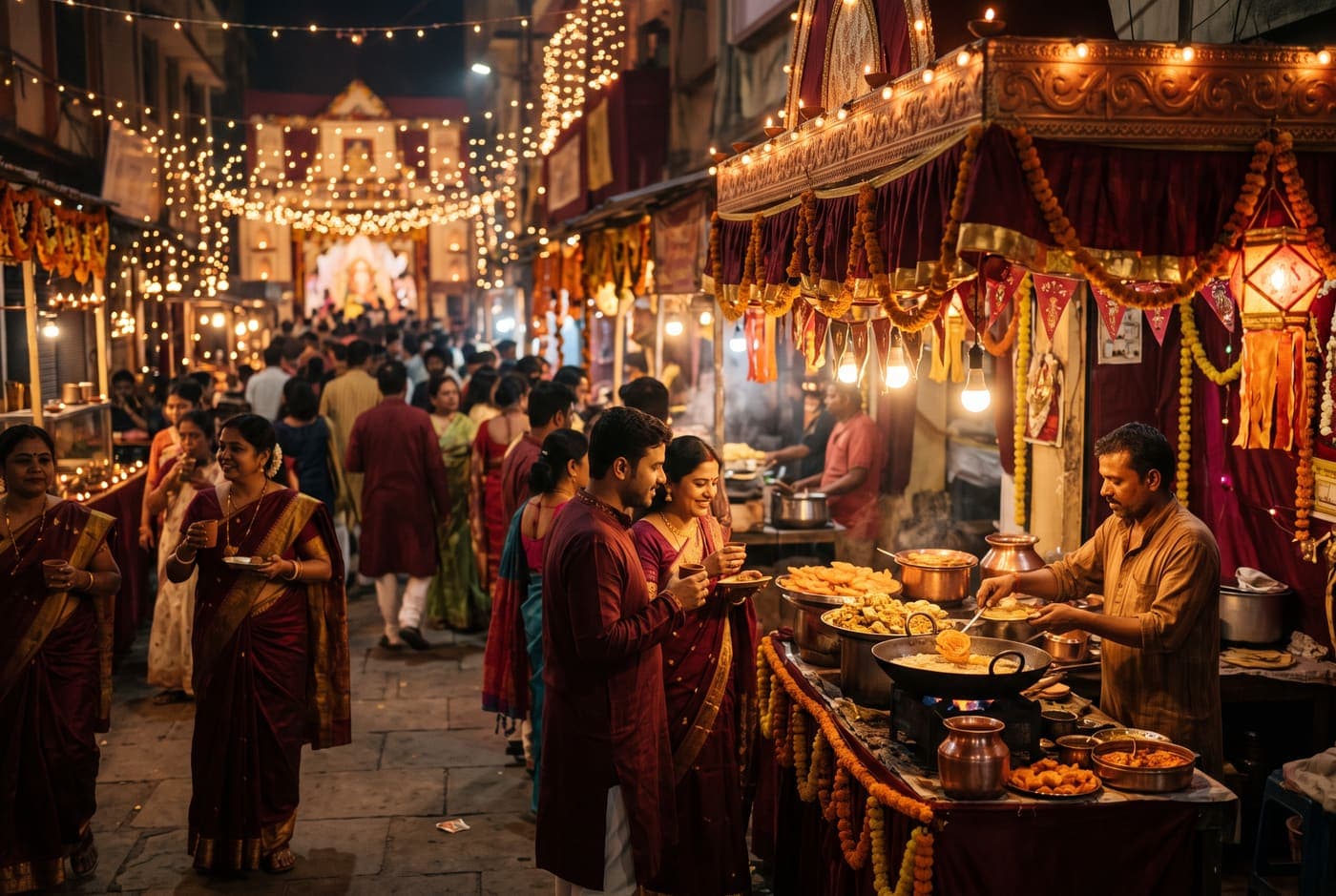
College Square
Central Kolkata
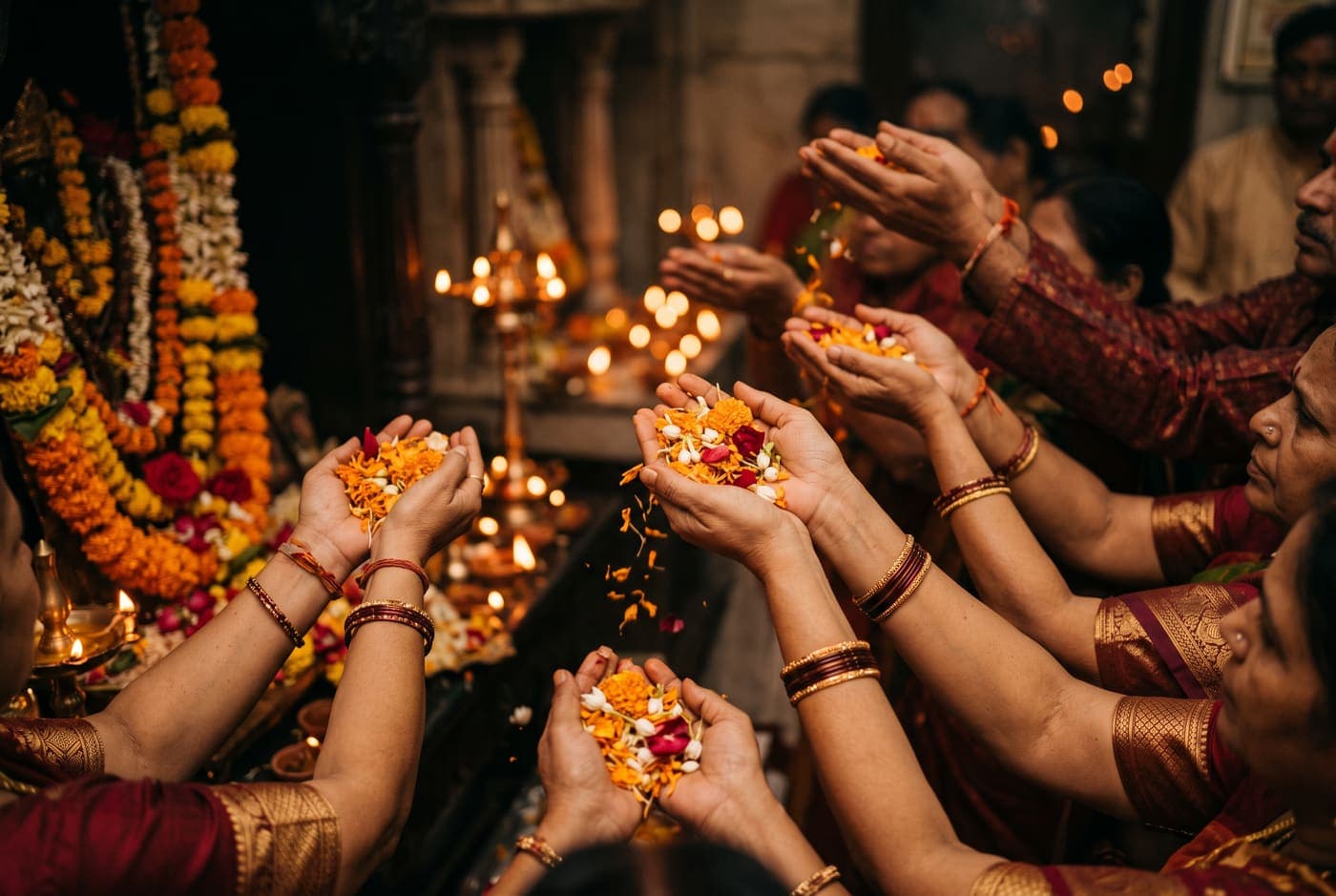
Ekdalia Evergreen Club
South Kolkata
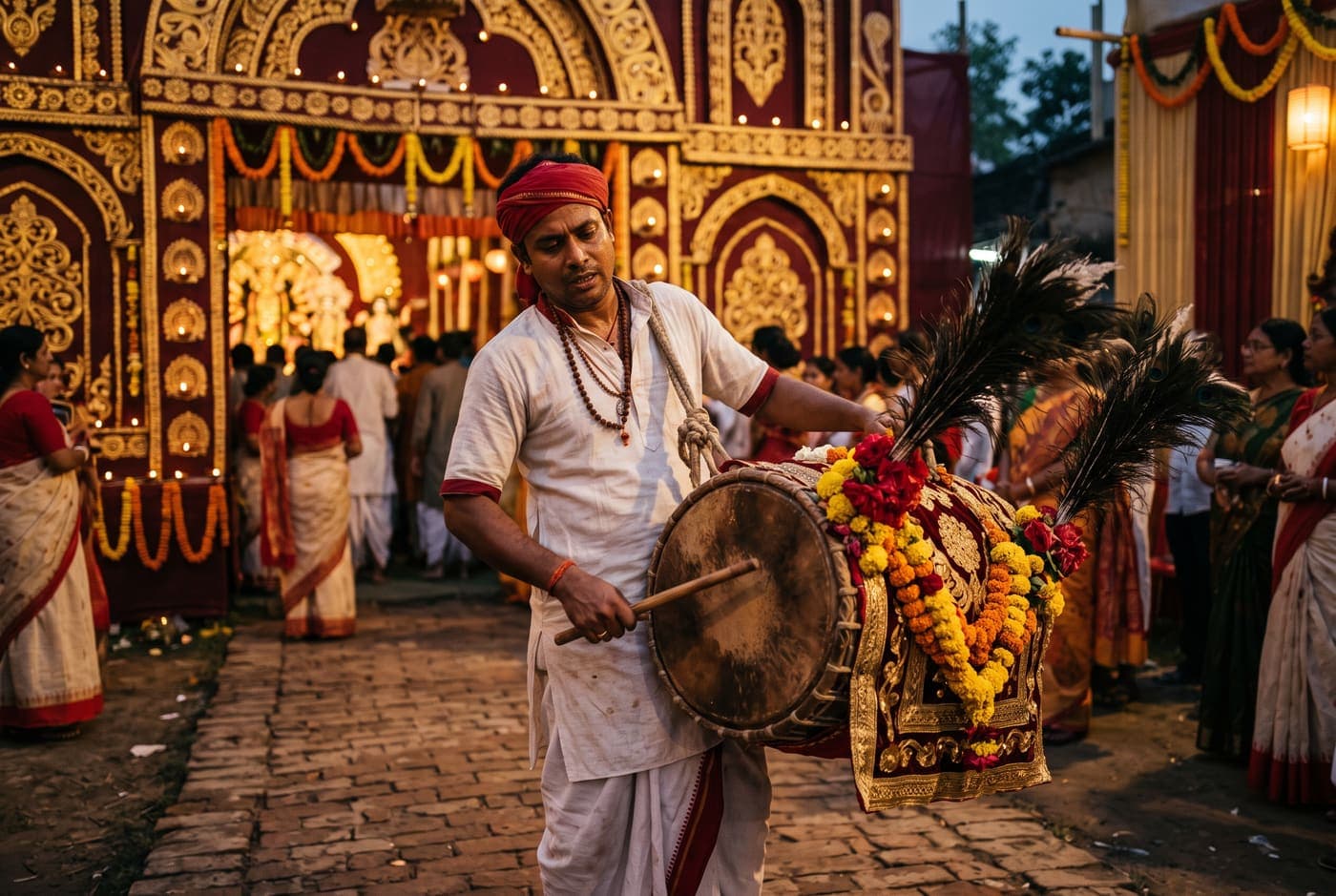
Santosh Mitra Square
Central Kolkata
Dum Dum Park Bharat Chakra
Salt Lake
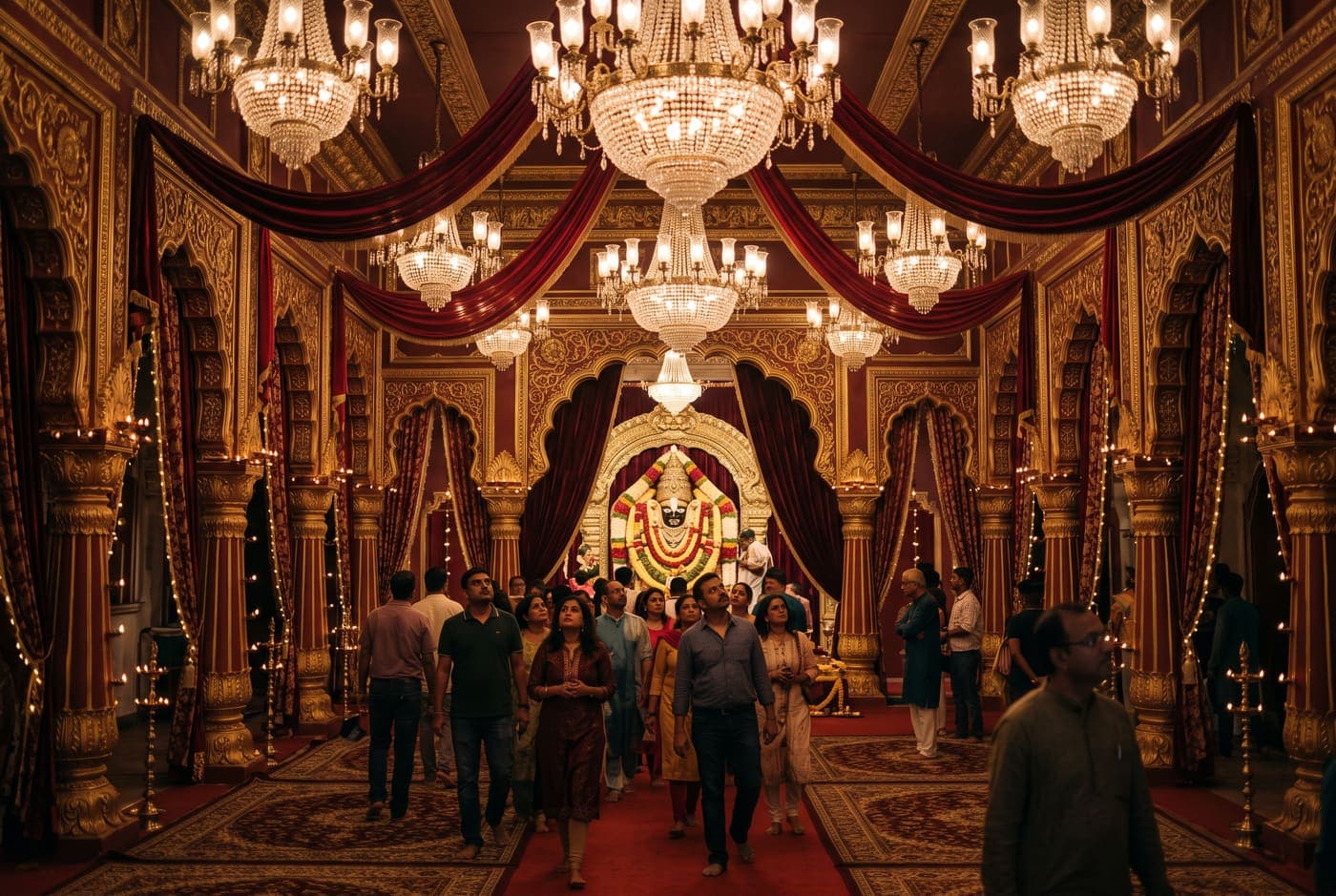
Sreebhumi Sporting Club
Salt Lake
Naba Baghbazar
North Kolkata
Deshapriya Park
South Kolkata
Baghbazar Pally
North Kolkata
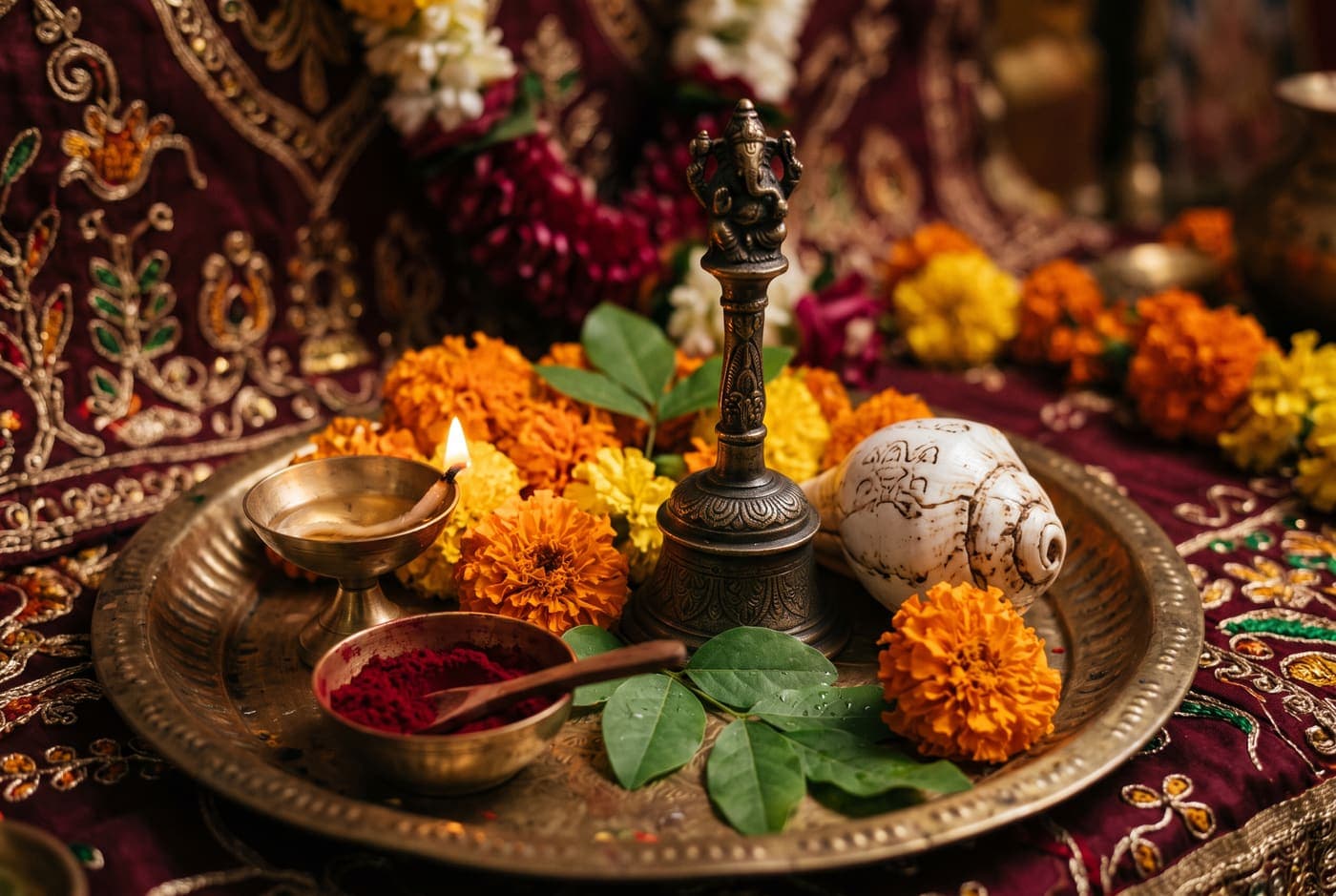
Ballygunge Cultural Association
South Kolkata
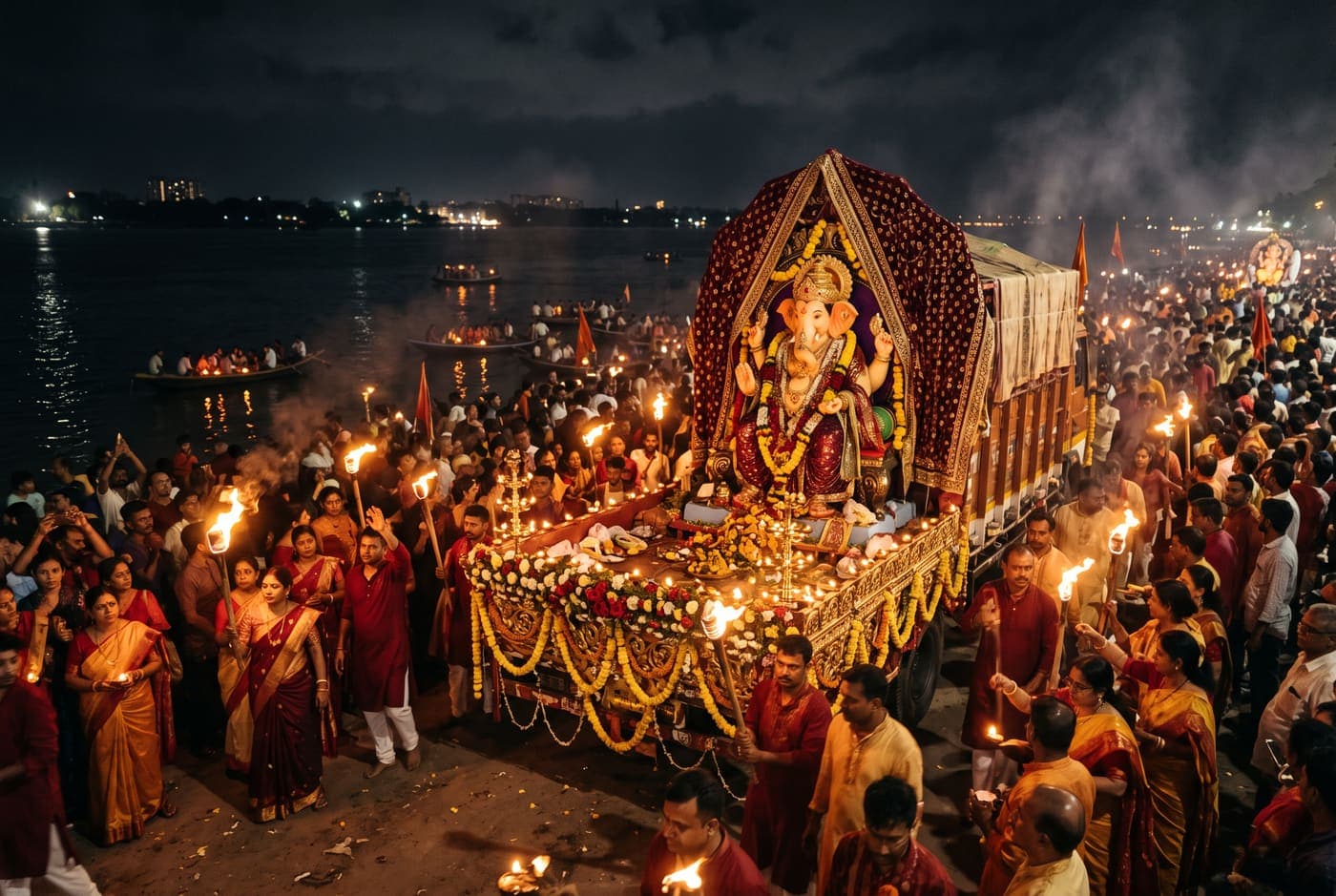
Baghbazar 7 Pally Sarbojanin Durgotsav
North Kolkata
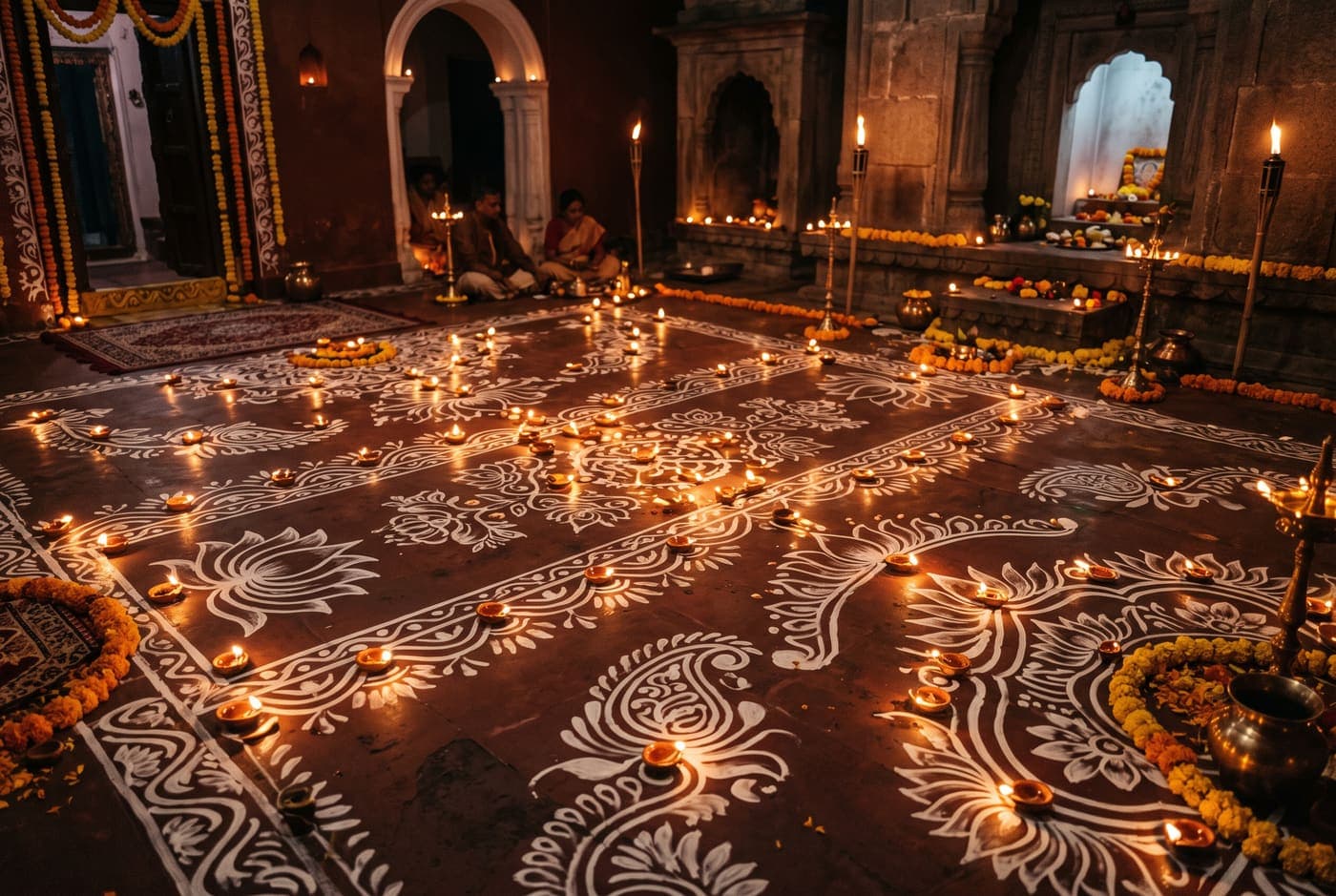
Baghbazar Sarbojonin Durgotsab & Exhibition
North Kolkata
Kumartuli Park
North Kolkata
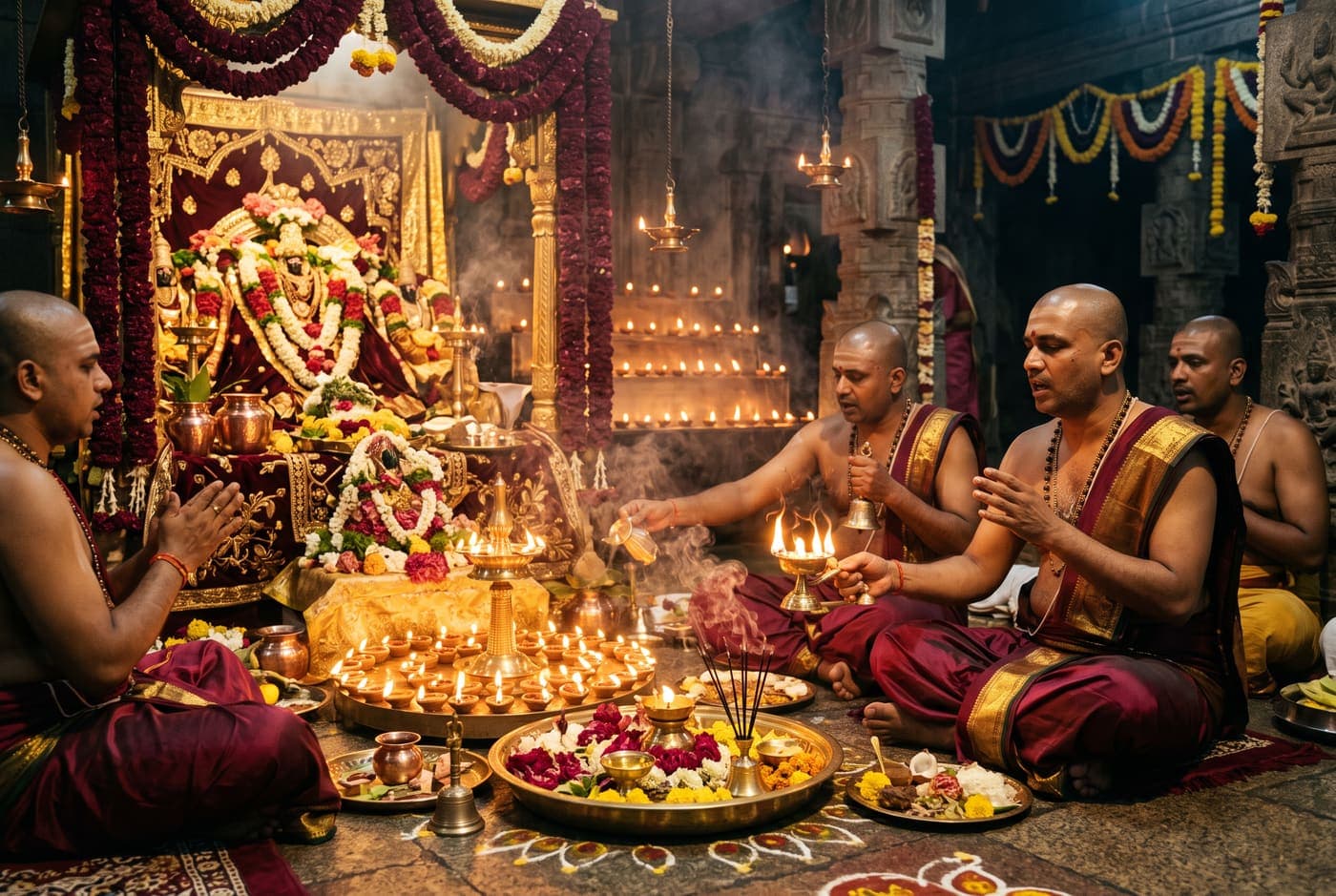
Baghbazar Jagodharti
North Kolkata
Tridhara Sammilani
South Kolkata
The tradition
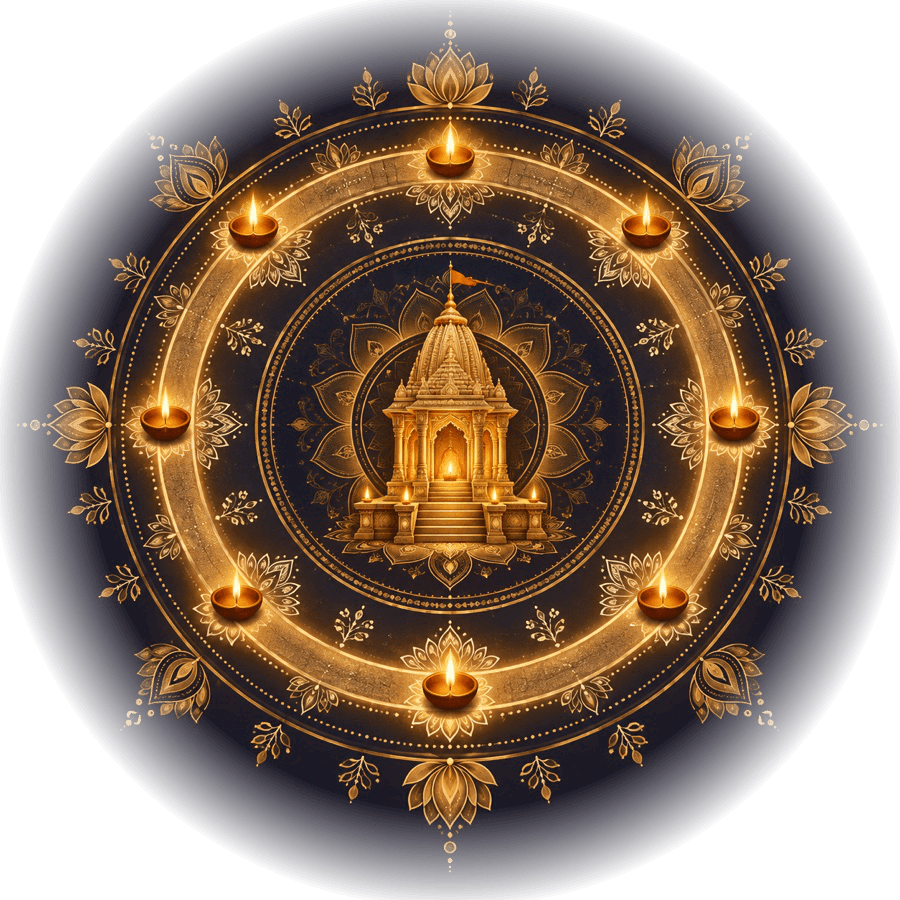
Parikrama, from the Sanskrit pari (around) and krama (path), means walking a reverent circle around something sacred: a deity, a temple's inner sanctum, a holy hill, a river, or a whole pilgrimage region. Its older name is pradakshina, and it is one of the oldest acts of worship in the tradition, done after puja as an offering of one's own steps.
Parikrama is walked clockwise, so the sacred centre always stays on the walker's right. In the tradition the right side, dakshina, is the side of honour and dharma, the same way one keeps a respected elder on one's right. Shiva is the known exception: around a linga the circuit stops at the somasutra, the channel that carries the ablution water away, and one never steps across it, tracing a crescent instead of a full circle.
The circle has no beginning and no end, and so it stands for wholeness and the turning of the cosmos. The deity is the still centre and the devotee orbits it, an image the tradition compares to planets circling the sun, keeping the divine as the fixed axis of one's life. Walking the circle is meant to turn plain movement into meditation, with the mind held on the centre the whole way round.
“From circling one sanctum to walking a whole city of them, thakur dekha is a parikrama that never sleeps.”
Long before a city of pandals, whole hills and rivers were circled on foot.
Around Govardhan Hill near Mathura, tied to Krishna lifting the hill; many walk it barefoot.
The full circumambulation of the Narmada river, source to sea and back, about 120 days on foot.
The clockwise circuit of Varanasi with five overnight halts, touching over a hundred shrines.
Around Mount Kailash in Tibet over the 5,630 m Dolma La pass, sacred to four faiths.
The month-long circuit of the whole of Braj Bhoomi, Krishna's land.
Around Mount Girnar in Gujarat, walked in the month of Kartik.
In Bengal, thakur dekha, the walk from pandal to pandal through the nights of Durga Puja, is a living urban parikrama. It grew from the community puja: the first barowari (twelve friends) puja at Guptipara in 1790, and the sarbojanin (for all people) pujas that from 1910 opened the festival to everyone. Instead of circling one sanctum, the crowd walks a citywide circuit of many, taking darshan of Ma Durga in a hundred forms. The streets become the sanctum, and the crowd becomes the prayer.
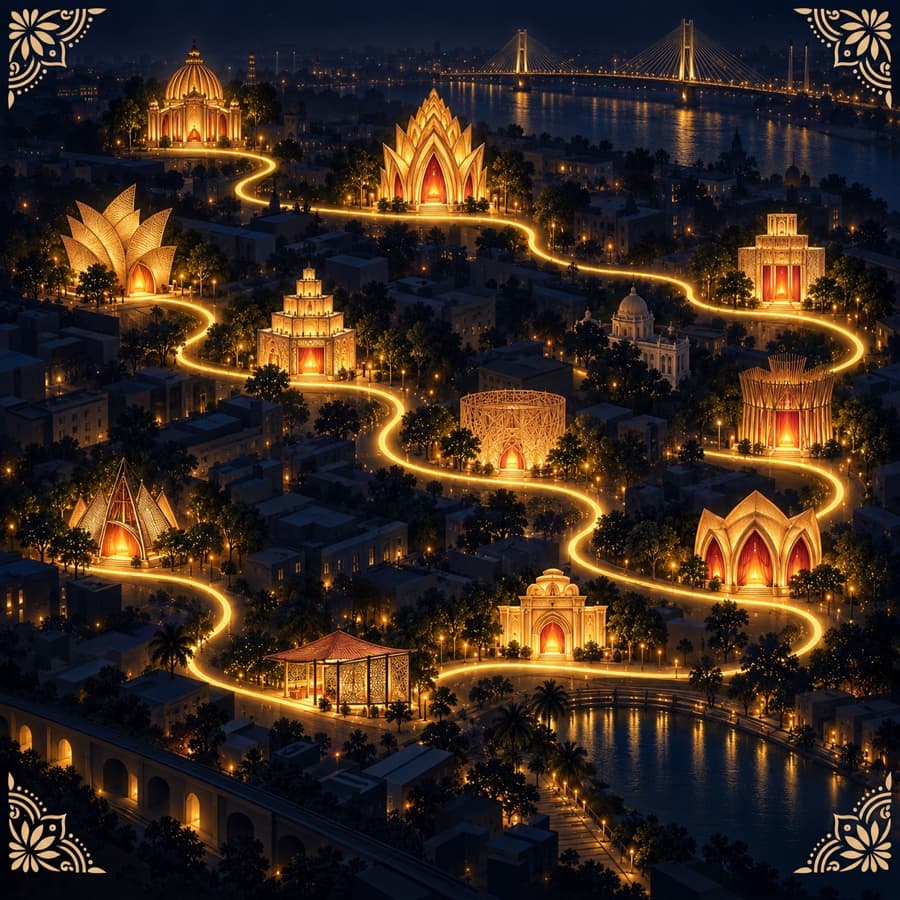
Pick the pandals yourself, or set a start and finish and we fill in everything on the way.
Step 2 of 3
Search a pandal by name to add it, two to eight stops. We order them for you.
Add pandals to your circuit
4/25